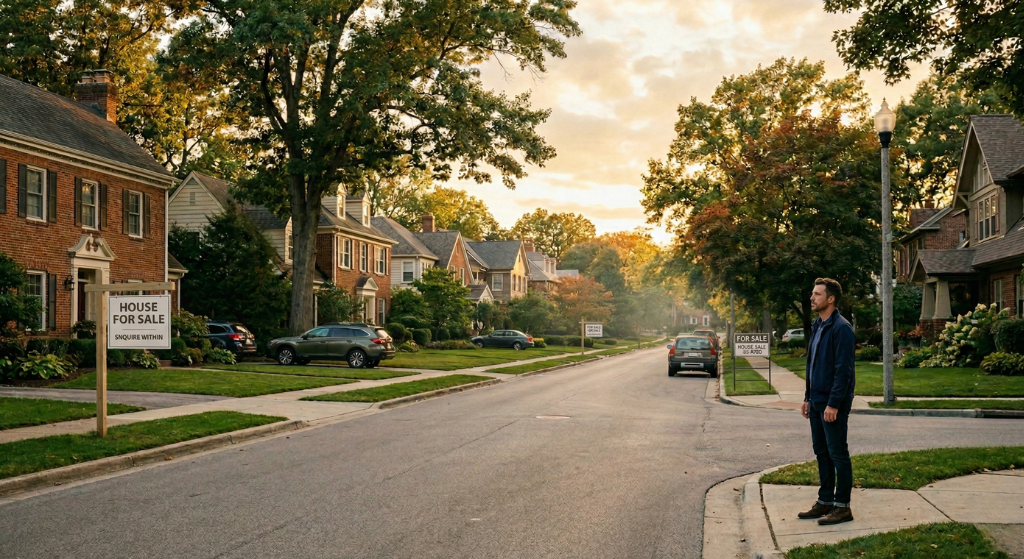
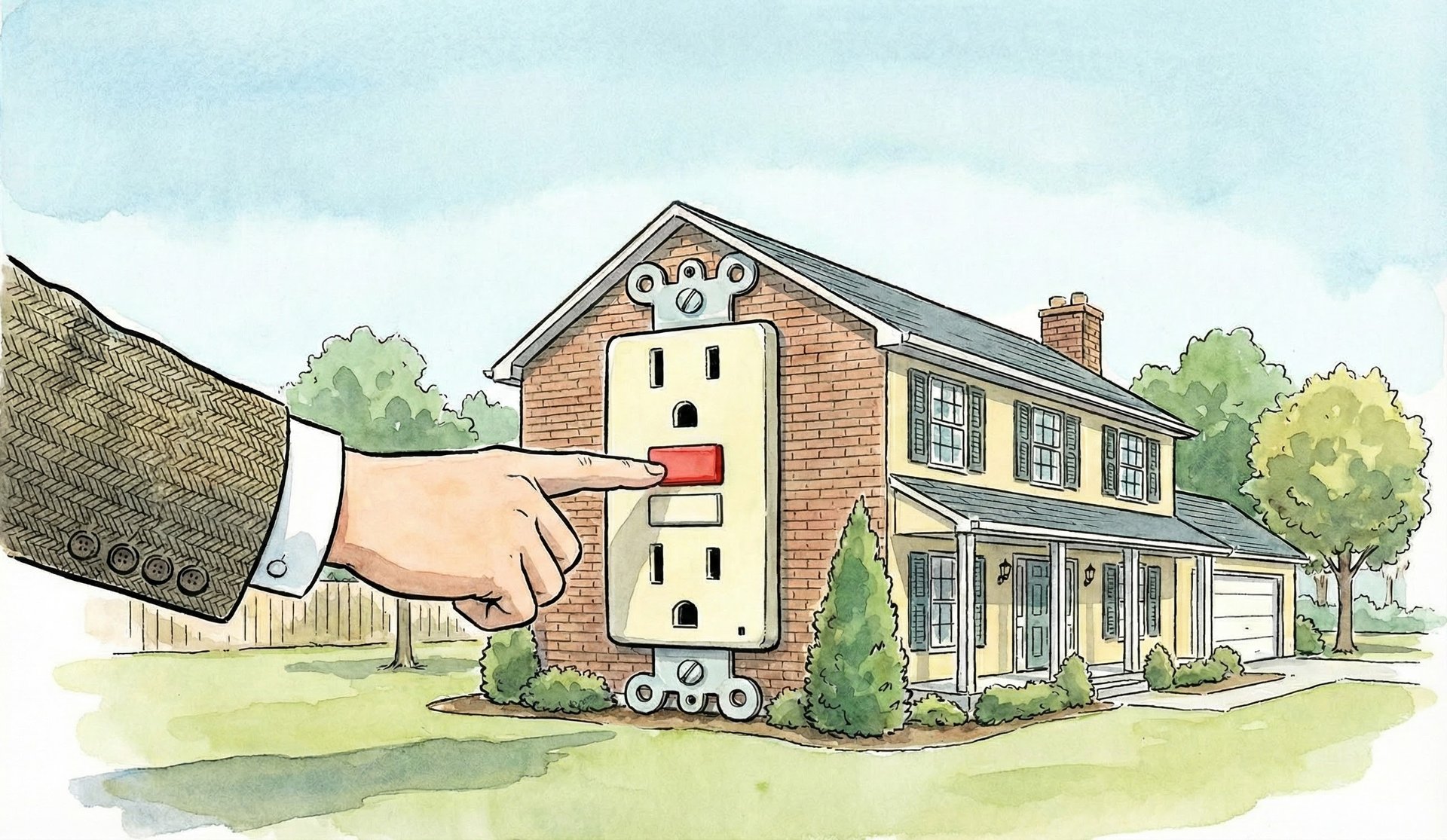
Forget the frenzy of 2021 and the freeze of 2024. We're entering something entirely different: the year of the "Great Housing Reset."
If you're waiting for the market to crash or hoping for a return to pandemic-era chaos, prepare to be disappointed. Instead, 2026 is shaping up to be the year when the housing market finally finds its footing.
The market isn't crashing, but it is correcting toward a new baseline. We're entering a period where stability trumps volatility, where regional dynamics matter more than national headlines, and where "boring" might just be the best thing that could happen for real estate in the US.
Here's what you need to know.
The Numbers Game: Rates, Prices, and Inventory Reality Check
Interest Rates: The New Normal Isn't Going Anywhere
Let's address the elephant in the room: those 3% mortgage rates aren't coming back anytime soon.
According to forecasts from Realtor.com, Zillow, and the National Association of Realtors, mortgage rates are expected to stabilize in the low-to-mid 6% range throughout 2026—hovering around 6.3% for a 30-year fixed mortgage. Even with a new Fed chair, don’t expect rates lower than the high 5% range. The Federal Reserve’s cautious approach to rate cuts means we’re likely looking at this range as our new baseline for the foreseeable future.
But here’s the good news: buyers are finally accepting this reality. The "wait-and-see" paralysis that froze the market in 2023 and 2024 is thawing. Buyers who have been sitting on the sidelines are realizing that waiting for significant rate drops could mean missing out on the right home altogether.
Home Prices: Modest Growth, Maximum Stability
Nationally, home prices are projected to grow between 1.2% and 4% in 2026, according to major forecasting models. That's a far cry from the double-digit annual increases we saw during the pandemic, but it's also not the crash that some pessimists predicted.
Perhaps more importantly, income growth is finally outpacing home price growth in many markets. This gradual shift is slowly improving affordability after years in which wages struggled to keep up with skyrocketing home values. It won’t happen overnight, but the trajectory is finally moving in the right direction.
Inventory: Recovery in Progress
Housing inventory is recovering, but we’re still operating at approximately 12% below pre-pandemic norms. The infamous "lock-in effect"—homeowners refusing to sell and give up their sub-4% mortgage rates—is easing slightly as life events (job relocations, growing families, retirements) force moves.
However, don't expect a flood of inventory. The lock-in effect won't disappear completely, especially in markets where homeowners locked in rates below 3%. This means we're moving toward balance, but seller-friendly markets haven't completely disappeared, especially in certain regions.
Winners & Losers: The Great Regional Shuffle
Here's where 2026 gets really interesting: not all markets are created equal.
The pandemic migration patterns that sent millions fleeing to Sun Belt states are reversing—or at the very least, dramatically evolving. Where you buy or sell in 2026 matters more than it has in years.
The Cooling Markets: Sun Belt Reality Check
Up to 22 major metropolitan areas are poised to see home price declines in 2026, with the most significant dips concentrated in the Sun Belt and Western states.
According to real estate analytics firms, markets like Cape Coral-Fort Myers and Fort Lauderdale, Florida could see price drops of up to 10%. Austin, Texas and Phoenix, Arizona are also on the watch list for price corrections.
What's driving this reversal?
Surging insurance costs: Climate-related insurance spikes are making homeownership in coastal and wildfire-prone areas increasingly expensive. Florida homeowners, in particular, are facing insurance premiums that can rival their mortgage payments.
Climate risks: Buyers are becoming more sophisticated about long-term climate exposure. Hurricane vulnerability and extreme heat are now pricing factors.
Overbuilding of luxury inventory: Many Sun Belt markets overbuilt during the pandemic boom, particularly in the luxury segment. Those properties are now sitting, and desperate sellers are starting to cut prices.
The Heating Markets: Midwest and Northeast Comeback
While the Sun Belt cools, the Midwest and Northeast are heating up.
Markets like the NYC suburbs (Long Island, Northern New Jersey), Cleveland, Minneapolis, and St. Louis are experiencing renewed interest driven by two major factors:
Return-to-office mandates: As major employers enforce hybrid and in-office requirements, workers who fled to remote-friendly locations are being pulled back to urban hubs (or at least within commuting distance).
Affordability and climate resilience: Buyers are seeking refuge in cities that offer both reasonable home prices and lower climate risk. Great Lakes cities, in particular, are being dubbed "climate havens" by some researchers.
The Midwest's moment is here. These markets offer something increasingly rare: affordability combined with job opportunities and infrastructure.
The New Buyer Profile: Who's Moving in 2026?
Understanding who's buying (or renting) in 2026 is critical to understanding where the market is headed.
Gen Z and the Power of "Kidfluence"
Gen Z is entering the housing market in force, but they're doing it differently. Even those not yet ready to buy are influencing rental markets with their priorities: sustainability, technology integration, and community amenities.
"Kidfluence" is also a real phenomenon. Families are choosing rental properties based on features that appeal to children, even when they can't yet afford to buy.
Multigenerational Living Goes Mainstream
High housing costs are normalizing what was once stigmatized: multigenerational living. The demand for homes with Accessory Dwelling Units (ADUs), finished basements with separate entrances, and dual primary suites is surging.
This isn't just a stopgap solution but a fundamental shift in how Americans are thinking about housing and family structure.
The Rise of the "Lifestyle Renter"
Not everyone renting in 2026 is priced out of homeownership. There's a growing segment of high-income earners choosing to rent for flexibility rather than inability to buy.
These "lifestyle renters" want lock-and-leave convenience: the ability to travel, relocate for opportunities, or simply avoid maintenance responsibilities. They're willing to pay premium rents for premium amenities and locations.
Emerging Trends: AI, Green Tech, and The Future Home
AI Real Estate is Here to Stay
Artificial intelligence is moving from buzzword to utility in real estate. In 2026, expect to see:
- Smarter pricing algorithms: Zestimates and similar tools are becoming more accurate with AI-driven predictive analytics
- Faster mortgage approvals: AI-driven underwriting is cutting approval times significantly
- 24/7 service: Chatbots are handling rental inquiries and basic buyer questions around the clock
PropTech isn't replacing agents. It's making good agents more efficient and effective.
Sustainability as Standard Equipment
"Net-zero ready" is becoming what granite countertops were a decade ago: an expected feature rather than a luxury add-on.
Buyers are actively seeking homes with heat pumps, solar capabilities, and high-efficiency insulation. Lingering Inflation Reduction Act incentives are helping drive this trend, making energy-efficient upgrades more financially accessible.
In the Midwest and Northeast, the real value is in the retrofit. Classic homes with updated energy efficiency are commanding premium prices as buyers recognize the long-term cost savings.
Actionable Advice: Navigate the Reset Like a Pro
For Sellers
The days of aspirational pricing are over in most markets. Pricing power has shifted back to buyers, and overpriced listings will sit and stagnate.
If you're in a cooling market (Florida, Texas, Arizona): Price aggressively and ahead of the curve. Don't be the last seller holding out for peak 2022 prices while your neighbors cut theirs.
If you're in a heating market (Midwest, Northeast suburbs): You still have negotiating power, but don't assume you can price without strategy. Buyers are more educated and less emotional than they were during the pandemic.
For Buyers
The old advice still holds: marry the house, date the rate. If you find a home in your "sweet spot" (particularly in appreciating Midwest and Northeast markets), don't wait for rates to drop to 5%. That may never happen, and you could miss your opportunity.
Look for stale inventory in the Sun Belt. Sellers who purchased investment properties at peak prices are starting to feel the squeeze. These desperate sellers create opportunity for savvy buyers willing to negotiate hard.
Consider the total cost of ownership, not just the purchase price. Factor in insurance costs, climate risks, and energy efficiency. A cheaper home in Florida might cost more over five years than a pricier home in Minnesota when you account for insurance and cooling costs.
The Bottom Line: Boring Builds Wealth
The Great Housing Reset of 2026 won't make headlines like the pandemic boom or generate fear like the 2008 crash. It's going to feel almost...boring.
And that's exactly the point.
Boring markets build wealth. Stability allows for strategic decision-making rather than emotional panic. Predictability enables long-term planning rather than speculative gambling.
Whether you're looking to capitalize on price dips in cooling Sun Belt markets or beat the rush in emerging Midwest cities, 2026 offers opportunities.
The Great Reset isn't something to fear. It's something to leverage.
Ready to navigate 2026's housing market with a strategy tailored to your goals? Don't go it alone. Whether you're buying, selling, or investing, let's discuss how these trends impact your specific situation and create a plan that positions you for success in this new era.
Get Started Today
Sources: Realtor.com Economic Forecast, Zillow Market Research, National Association of Realtors Housing Outlook, Federal Reserve Economic Data